
 Winson Global
 2026-07-27 06:09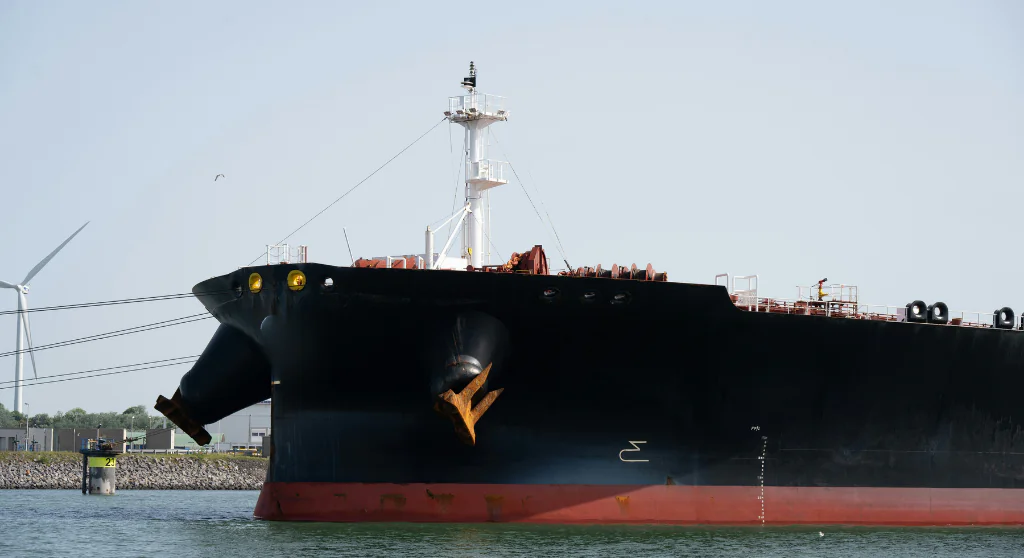
Relying on efficient preservation procedures and mediation mechanisms, Chinese courts resolved a cross-border vessel arrears dispute with no domestic connecting factors in a one-stop manner. A full settlement was reached within only nine days, and the vessel was promptly released thereafter, fully showcasing the professional, efficient, amicable and civilized international image of China’s maritime judicial system.
A Liberian ship management company mainly engages in crew manning services. It entered into a crew management agreement with an overseas trading company incorporated in the Marshall Islands, under which the company provided crew dispatch and embarkation arrangements for the 70,000-ton Marshall Islands-flagged Vessel "D" owned by the counterparty. The contract explicitly stipulated that all disputes arising therefrom shall be submitted to arbitration in London. Starting from early 2025, the shipowner persistently defaulted on crew management fees totaling USD 656,400, despite repeated demands for payment by the applicant. Confident in the credibility of China’s maritime judiciary, the applicant instructed its British lawyers to seize the window period when the foreign vessel called at Quanzhou Port and filed an application for pre-litigation maritime claim preservation with Xiamen Maritime Court to arrest the vessel, prior to commencing London arbitration. Both parties to the dispute are foreign entities, and the underlying dispute bears no substantial connecting factors with China whatsoever.
Several core disputes emerged during the case proceedings. First, whether Chinese courts had jurisdiction to accept the vessel arrest application. The respondent argued that the contract provided for London arbitration and there were no substantial links between the dispute and China, so Chinese courts should not exercise jurisdiction. Second, whether the arrest procedure for a foreign vessel with a short port stay would incur exorbitant berthing fees and impose excessive financial pressure on the shipowner, rendering the preservation measure unreasonable. Third, whether the cross-border maritime arrears dispute must be resolved via London arbitration as agreed in the contract, and whether domestic mediation settlement carries full legal effect to fully discharge all mutual creditor’s rights and liabilities between the parties.
Xiamen Maritime Court reviewed and addressed each dispute point by point. After confirming that the vessel would only stay in port for a short time, the court immediately launched an expedited vessel arrest review process and issued a vessel arrest ruling in accordance with the law. It clarified that under the special jurisdiction rules governing maritime litigation, Chinese courts have jurisdiction to entertain pre-litigation vessel arrest applications once a vessel arrives at a Chinese port. Coordinating joint efforts among maritime, border inspection and other authorities, the court completed the arrest of the large foreign vessel at the berth of Shagang Port in Quanzhou within just 24 hours.
In response to the dispute over berthing costs, adhering to the judicial philosophy of amicable and civilized law enforcement, the court coordinated regulatory authorities to allow the vessel to shift to an anchorage while implementing full closed-loop supervision by border inspection authorities without undermining the validity of the preservation, drastically cutting the high dock berthing expenses.
The presiding judge continuously facilitated negotiations between the two sides, and a comprehensive settlement agreement covering all outstanding management fees and incidental port-related expenses totaling USD 762,800 was reached within merely nine days. The respondent paid the full settlement sum in full, fundamentally preventing chain disputes arising from collective claims by crew members due to the shipowner’s arrears. The written settlement agreement between the parties is legally valid, eliminating the need to initiate London arbitration separately. The applicant subsequently filed an application for the release of the vessel, and the court completed all release formalities on the same day, ensuring the foreign vessel safely departed the port ahead of Typhoon Mina, achieving a one-off substantive resolution of the dispute.
This case serves as a highly representative and demonstrative precedent for foreign-related maritime disputes with remarkable reference value. In this cross-border dispute lacking domestic connecting factors, the foreign claimant voluntarily abandoned the offshore arbitration agreed under the contract and opted for vessel preservation before China’s maritime court, which directly reflects the strong trust of international shipping stakeholders in China’s maritime legal system. The court’s cross-departmental coordinated vessel arrest within 24 hours delivered China’s efficient speed in maritime preservation, while the loss-mitigation measure of shifting the vessel to anchorage embodied the judicial philosophy of "handling cases as if they were personal affairs", setting a practical model for flexible resolution of cross-border disputes.
Drawing on mediation, the time-honored Chinese experience, the court secured full payment via settlement and avoided the lengthy procedures of offshore arbitration. Meanwhile, the timely release of the vessel before the typhoon balanced the realization of creditor’s rights and shipping safety. After the dispute was settled, the Liberian applicant specially instructed its British lawyers to send a thank-you letter to the court, stating that this case has strengthened foreign enterprises’ confidence in China’s maritime judicial system and proved that China has become a preferred venue for resolving international maritime disputes.